
- Serving South Florida for 40+ Years
- Board-Certified Urology
- Diplomate, American Board of Urology
- Minimally Invasive Specialists
- North Miami, Florida

Exosome therapy is not FDA approved or cleared for the treatment of erectile dysfunction in the United States. We will tell you exactly what the evidence shows before you spend anything.
Exosome therapy: an emerging, investigational approach to male sexual dysfunction
Male sexual dysfunction can be a devastating condition for many men, causing them to experience a significant reduction in sexual function and quality of life.
Conventional treatments, such as medications and surgery, help many men, but not every man responds to them or wants them.
Exosome therapy is one investigational approach that some men ask about.
What is exosome therapy?
Exosome therapy is a relatively new field of regenerative medicine that involves the use of exosomes, small vesicles secreted by stem cells, to treat a wide range of medical conditions. In male sexual dysfunction, the idea being studied is that exosomes may help repair damaged tissue and improve blood flow.
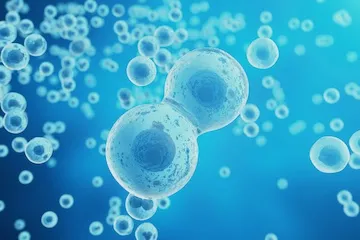
Exosome therapy is intended to use the body's own healing signals to promote tissue repair. It is a minimally invasive procedure that does not require surgery. Its long-term safety and effectiveness for erectile dysfunction are still being studied, so Dr. Robbins discusses what is and is not known before treatment.
Why Choose Dr. Robbins for exosome therapy for sexual dysfunction?
David Robbins, MD, is a board-certified urologist who offers exosome therapy as one of a range of treatments for sexual dysfunction and tailors the plan to each patient's needs and medical history.
Dr. Robbins uses exosomes derived from mesenchymal stem cells to treat male sexual dysfunction. These exosomes contain growth factors and cytokines that, in laboratory research, stimulate tissue repair and angiogenesis, the formation of new blood vessels. They are injected directly into the penis; whether this improves erectile function in men has not been established.
What is the difference between stem cells and exosomes?
Stem cells are cells that have the ability to differentiate, or develop into, many different types of cells in the body. They can also self-renew, meaning they can produce more stem cells to maintain a pool of cells for differentiation. There are different types of stem cells, such as embryonic stem cells, induced pluripotent stem cells, and adult stem cells. Stem cells are used in regenerative medicine to repair or replace damaged or diseased tissue.
Exosomes, on the other hand, are small extracellular vesicles that are secreted by cells, including stem cells. They contain proteins, RNA, and other signaling molecules that can influence the behavior of other cells in the body. Exosomes can act as communication messengers between cells, promoting cell-to-cell communication and helping to regulate cell behavior.
One of the key differences between exosomes and stem cells is that exosomes are smaller and more easily administered. Exosomes can be harvested from stem cells and then used for treatment, without requiring the use of the actual stem cells themselves. This makes exosome therapy a more versatile and minimally invasive option compared to stem cell therapy.
While both exosomes and stem cells have potential applications in regenerative medicine, they have different mechanisms of action and advantages. Exosomes are small vesicles that act as cell-to-cell communicators, while stem cells have the ability to differentiate and regenerate tissue. Exosome therapy is a more versatile and minimally invasive option, while stem cell therapy requires the use of specific cell types.
What are the advantages of exosomes over stem cells?
Exosomes and stem cells both have their own advantages and limitations, and the choice of which to use in a particular situation depends on the specific needs and goals of the patient.
One of the advantages of exosomes over stem cells is that they are smaller and more easily administered. Exosomes can be injected directly into a target area, such as damaged tissue of the penis or a joint, without requiring the use of actual stem cells themselves. This makes exosome therapy a less invasive and more targeted option than stem cell therapy.
Exosomes are also highly specific in their actions. Exosomes contain a variety of growth factors, cytokines, and other signaling molecules that can target specific cells and tissues, promoting tissue regeneration and repair. In contrast, stem cells have the potential to differentiate into many different cell types, which can make their actions more broad and less specific.
Exosome therapy is also less likely to trigger an immune response compared to stem cell therapy. Stem cells have the potential to be recognized as foreign by the immune system, leading to rejection or other complications. In contrast, exosomes are thought to be less likely to be recognized as foreign.
In short, exosomes and stem cells work differently and each has limitations. Exosome therapy is an active area of research, and its role in treating sexual dysfunction is not yet established.
What other therapies are available to treat male sexual dysfunction?
In addition to exosome therapy, Dr. Robbins also offers a comprehensive range of treatments for male sexual dysfunction, including platelet-rich plasma (PRP) therapy, shockwave therapy, and other regenerative medicine treatments. He additionally offers a variety of treatments for hypogonadism and low testosterone as well as erectile dysfunction treatments including oral medications, injection therapy, and penile implants. He works closely with his patients to develop a personalized treatment plan that addresses the underlying cause of their sexual dysfunction. Exosome therapy is still investigational, and the evidence for it is early. If you are experiencing male sexual dysfunction, consider consulting with Dr. Robbins to learn more about exosome therapy and the other treatment options.

To request your consultation, please call (305) 672-4222 or contact us online today!
Contact Us
We’re here to help. Schedule your visit or ask a question today.
No question is too small — and nothing you share here surprises us. Reach out however feels easiest.
- Call(305) 672-4222
- Visit12411 Biscayne Boulevard
North Miami, FL 33181 - HoursMonday–Friday, 9:00 am – 5:00 pm

Your message goes to Dr. Robbins’ own team — you’ll hear back within one business day.
Get More Information
Need us sooner? Call (305) 672-4222.
We’re Here When You Need Us
Our Office
Visit us in North Miami, or call to book your appointment.
North Miami
- Address12411 Biscayne Boulevard
North Miami, FL 33181 - Phone(305) 672-4222
- Fax(305) 944-3624
| Monday – Friday | 9:00 am – 5:00 pm |
| Saturday – Sunday | Closed |

Associations
Proud Members Of


